新加坡生活英語指南:外國人必學的30個實用英語對話情境


English for Everyday Life in Singapore: 30 Essential Conversations Every Expat Should Know
剛來到新加坡生活,你是否遇過以下情況?
在餐廳想點餐,卻不知道如何用英語表達自己的要求;在醫院看醫生,明明知道哪裡不舒服,卻不知道如何描述症狀;孩子的學校老師打電話來,自己聽懂了一部分,卻不知道該如何回應。
對許多在新加坡生活的外國成年人而言,英語不只是一門語言,更是處理日常事務、建立社交關係,以及適應新環境的重要工具。
尤其是來自臺灣、香港、中國、日本、韓國及其他非英語母語地區的居民,即使過去學過多年英語,也可能在真實生活中遇到溝通困難。
這是因為學校裡的英語考試,與日常生活中的英語交流存在一定差異。
真正實用的生活英語,不在於記住多少複雜單字,而在於需要的時候,能夠清楚、自然地表達自己的意思。
本文將介紹新加坡生活中最常見的30個英語對話情境,涵蓋餐飲、購物、交通、醫療、住房、銀行、學校、社交及職場溝通。
無論你是剛到新加坡的新居民、陪讀家長、外籍專業人士,還是希望提升英語口說能力的成年人,都可以從這些實用表達開始練習。
一、為什麼在新加坡生活需要掌握實用英語?
新加坡是一個多語言、多文化的國際城市。
英語是新加坡的官方語言之一,也是商業、教育、公共服務,以及不同族群之間廣泛使用的溝通語言。
雖然在新加坡的部分地區可以使用中文交流,但並非所有工作人員、鄰居、同事或服務人員都會說中文。
因此,具備一定的日常英語溝通能力,可以幫助外國居民更加獨立地處理生活中的各種事務。
1. 生活英語與考試英語有什麼不同?
傳統英語學習可能更注重:
單字記憶
文法規則
閱讀理解
寫作技巧
考試成績
而實際生活中的英語溝通更強調:
聽懂對方的問題
快速組織語言
使用常見句型
禮貌地提出請求
解釋自己的需求
聽不懂時主動詢問
例如,在餐廳點餐時,你不需要使用複雜的英語文法。
只要能自然地說:
"I'd like a chicken rice, please."
(我想要一份雞飯,謝謝。)
就已經能完成一次有效的溝通。
2. 不需要英語非常流利才能開始交流
許多成年人不敢說英語,是因為擔心文法錯誤或發音不標準。
但在日常生活中,清楚表達通常比使用複雜句型更重要。
例如:
"Could you speak more slowly, please?"
(您可以說慢一點嗎?)
"I don't quite understand."
(我不太明白。)
"Could you explain that again?"
(您可以再解釋一次嗎?)
這些簡單的表達,可以幫助你在真實交流中繼續對話,而不是因為聽不懂就放棄溝通。
二、新加坡餐飲情境:6個必學英語對話
情境1:在餐廳點餐
Situation: Ordering Food at a Restaurant
常用表達:
"I'd like to order, please." — 我想點餐。
"Can I have the chicken rice?" — 我可以要一份雞飯嗎?
"What would you recommend?" — 您有什麼推薦?
"Is this dish spicy?" — 這道菜辣嗎?
示範對話
Customer: Hi, I'd like to order, please.
Staff: Sure. What would you like?
Customer: Can I have one chicken rice and a glass of water?
Staff: Of course. Anything else?
Customer: That's all, thank you.
中文解釋
顧客:您好,我想點餐。
店員:好的,您想要什麼?
顧客:我想要一份雞飯和一杯水。
店員:當然。還需要其他的嗎?
顧客:就這些,謝謝。
學習重點: 使用 "I'd like..." 或 "Can I have..." 提出請求,通常比直接說 "I want..." 更有禮貌。
情境2:要求少辣、少糖或不加冰
Situation: Making Special Requests
在新加坡點餐時,經常需要依照個人口味提出要求。
常用表達:
"Less spicy, please." — 請少放辣。
"No chilli, please." — 請不要辣椒。
"Less sugar, please." — 請少糖。
"No ice, please." — 請不要冰。
"Could you make it less sweet?" — 可以做得不要那麼甜嗎?
示範對話
Customer: Can I have an iced lemon tea?
Staff: Sure.
Customer: Less sugar, please.
Staff: No problem.
Customer: Thank you!
學習重點: 在新加坡的咖啡店或熟食中心,你也可能聽到 "kopi"、"teh"、"siew dai" 等本地飲品用語。初學者可以先使用標準英語表達自己的需求,再逐漸熟悉當地習慣。
情境3:詢問是否有空位
Situation: Asking for a Table
常用表達:
"Do you have a table for two?" — 有兩個人的座位嗎?
"Is this table available?" — 這個位置有人坐嗎?
"Can we sit outside?" — 我們可以坐在外面嗎?
"Do we need a reservation?" — 需要預約嗎?
示範對話
Customer: Hi, do you have a table for three?
Staff: Yes, we do.
Customer: Great. Could we sit by the window?
Staff: Let me check.
Customer: Thank you.
學習重點: "A table for two" 是餐廳中非常常見的表達,意思是「兩個人的座位」。
情境4:詢問食物過敏原或飲食限制
Situation: Asking About Ingredients
常用表達:
"Does this contain peanuts?" — 這個含有花生嗎?
"Is this vegetarian?" — 這是素食嗎?
"Does this dish contain dairy?" — 這道菜含有乳製品嗎?
"I'm allergic to shellfish." — 我對貝類海鮮過敏。
示範對話
Customer: Excuse me, does this dish contain peanuts?
Staff: Let me check with the kitchen.
Customer: Thank you. I have a peanut allergy.
Staff: I'll confirm the ingredients for you.
學習重點: 如果有食物過敏,應明確說明 "I have a ... allergy",並請工作人員確認食材及交叉接觸風險,不要只憑菜名判斷。
情境5:要求外帶食物
Situation: Ordering Takeaway
常用表達:
"Can I get this to go?" — 可以幫我外帶嗎?
"I'd like takeaway, please." — 我想外帶。
"Could you pack the leftovers?" — 可以幫我把剩下的食物打包嗎?
"Can I have an extra container?" — 可以多給我一個餐盒嗎?
示範對話
Customer: Could you pack the leftovers for me?
Staff: Sure.
Customer: Thank you. Can I have an extra bag?
Staff: Of course.
學習重點: 在新加坡,"takeaway" 是非常常見的表達,也可能聽到本地常用的 "dabao"。
情境6:結帳與付款
Situation: Asking for the Bill
常用表達:
"Could I have the bill, please?" — 可以給我帳單嗎?
"Can I pay by card?" — 可以刷卡嗎?
"Do you accept PayNow?" — 可以使用 PayNow 嗎?
"Can we split the bill?" — 我們可以分開付款嗎?
示範對話
Customer: Excuse me, could I have the bill, please?
Staff: Certainly.
Customer: Can I pay by card?
Staff: Yes, you can.
Customer: Thank you.
學習重點: "Could I have..." 是非常實用的禮貌請求句型,不僅適用於餐廳,也適用於商店、銀行和其他服務情境。
三、新加坡購物情境:4個常用英語對話
情境7:詢問商品價格
Situation: Asking About Prices
常用表達:
"How much is this?" — 這個多少錢?
"Is this on sale?" — 這個在特價嗎?
"Is there a discount?" — 有折扣嗎?
"What's the final price?" — 最後價格是多少?
示範對話
Customer: Excuse me, how much is this?
Staff: It's twenty-five dollars.
Customer: Is there any discount?
Staff: There's a ten percent discount today.
Customer: Great, thank you.
情境8:詢問商品是否有庫存
Situation: Checking Availability
常用表達:
"Do you have this in stock?" — 這個有現貨嗎?
"Do you have a larger size?" — 有大一點的尺寸嗎?
"Is this available in another colour?" — 有其他顏色嗎?
"When will it be back in stock?" — 什麼時候會補貨?
示範對話
Customer: Do you have this in medium?
Staff: Let me check.
Customer: Thank you.
Staff: Yes, we have one left.
Customer: Great. Can I try it on?
情境9:退貨或換貨
Situation: Returning or Exchanging an Item
常用表達:
"I'd like to return this item." — 我想退貨。
"Can I exchange this for another size?" — 可以換一個尺寸嗎?
"I bought this yesterday." — 我昨天買的。
"Here's my receipt." — 這是我的收據。
示範對話
Customer: Hi, I'd like to exchange this shirt.
Staff: What's the problem?
Customer: It's too small. Can I get a larger size?
Staff: Do you have the receipt?
Customer: Yes, here it is.
學習重點: 退換貨通常需要遵守商家的具體政策。能夠清楚用英語提出要求,不代表所有商品都可以無條件退款。
情境10:詢問商品位置
Situation: Finding Products in a Supermarket
常用表達:
"Where can I find milk?" — 牛奶在哪裡?
"Which aisle is the rice in?" — 米在哪一排貨架?
"Do you sell batteries?" — 你們有賣電池嗎?
"Could you show me where it is?" — 可以告訴我它在哪裡嗎?
示範對話
Customer: Excuse me, where can I find cooking oil?
Staff: It's in aisle five.
Customer: Sorry, could you repeat that?
Staff: Aisle five, on your left.
Customer: Thank you very much.
四、新加坡交通情境:4個實用英語對話
情境11:詢問MRT路線
Situation: Asking for MRT Directions
常用表達:
"How do I get to Orchard MRT?" — 怎麼去 Orchard 地鐵站?
"Which line should I take?" — 我應該搭哪條地鐵線?
"Do I need to change trains?" — 需要轉車嗎?
"How many stops is it?" — 有幾站?
示範對話
Passenger: Excuse me, how do I get to Somerset MRT?
Staff: Take the North-South Line.
Passenger: Do I need to change trains?
Staff: That depends on where you're travelling from.
Passenger: Thank you for your help.
學習重點: "Change trains" 表示轉乘地鐵,"get off" 表示下車。
情境12:詢問公車路線
Situation: Taking a Bus
常用表達:
"Does this bus go to Orchard Road?" — 這班公車會到烏節路嗎?
"Which bus should I take?" — 我應該搭哪一班公車?
"Where is the nearest bus stop?" — 最近的公車站在哪裡?
"How long does it take?" — 大約需要多久?
示範對話
Passenger: Excuse me, does this bus go to Orchard Road?
Driver: Yes, it does.
Passenger: Thank you. Where should I get off?
Driver: You can check the stop information on the display.
Passenger: Okay, thank you.
情境13:使用Grab叫車
Situation: Booking a Ride
常用表達:
"I've booked a Grab." — 我已經叫了一輛 Grab。
"Where is the pick-up point?" — 上車地點在哪裡?
"I'm waiting at the main entrance." — 我在正門等候。
"Could you drop me off here?" — 可以在這裡讓我下車嗎?
示範對話
Passenger: Hi, I'm waiting at the main entrance.
Driver: Okay, I'll be there in two minutes.
Passenger: I'm wearing a blue shirt.
Driver: Got it. See you soon.
情境14:迷路時詢問方向
Situation: Asking for Directions
常用表達:
"Excuse me, I'm a little lost." — 不好意思,我有點迷路了。
"Could you help me find this address?" — 可以幫我找這個地址嗎?
"Is it within walking distance?" — 走路可以到嗎?
"Should I turn left or right?" — 我應該左轉還是右轉?
示範對話
Visitor: Excuse me, could you help me find this building?
Local: Sure. Go straight and turn right at the traffic light.
Visitor: Is it far from here?
Local: No, about five minutes on foot.
Visitor: Thank you so much.
五、新加坡醫療情境:4個重要英語對話
情境15:預約醫生
Situation: Making a Medical Appointment
常用表達:
"I'd like to make an appointment." — 我想預約。
"Is there a doctor available today?" — 今天有醫生可以看診嗎?
"What time is the earliest appointment?" — 最早可以預約幾點?
"Do I need to bring anything?" — 我需要帶什麼東西嗎?
示範對話
Patient: Hello, I'd like to make an appointment.
Receptionist: What is the appointment for?
Patient: I've been feeling unwell since yesterday.
Receptionist: We have an appointment at 3 PM.
Patient: That works for me. Thank you.
情境16:向醫生描述症狀
Situation: Explaining Symptoms
常用表達:
"I have a headache." — 我頭痛。
"I have a sore throat." — 我喉嚨痛。
"I've had a fever since yesterday." — 我從昨天開始發燒。
"I feel dizzy." — 我覺得頭暈。
"I've been coughing for three days." — 我已經咳嗽三天了。
示範對話
Doctor: What seems to be the problem?
Patient: I've had a sore throat and a fever since yesterday.
Doctor: Do you have a cough?
Patient: Yes, a little.
Doctor: Okay. Let me examine you.
學習重點: 描述症狀時,可以使用 "I have...";描述持續時間時,可以使用 "I've had... for/since..."。
情境17:在藥局詢問藥物
Situation: At a Pharmacy
常用表達:
"Do you have anything for a sore throat?" — 有緩解喉嚨痛的藥嗎?
"How often should I take this?" — 這個藥多久吃一次?
"Should I take it before or after meals?" — 應該飯前還是飯後吃?
"Are there any side effects?" — 有副作用嗎?
示範對話
Customer: Excuse me, how should I take this medicine?
Pharmacist: Please follow the instructions on the label.
Customer: Should I take it with food?
Pharmacist: Let me check the instructions for you.
Customer: Thank you.
學習重點: 藥物的使用方式應以醫生、藥師及藥品標籤的具體指示為準。
情境18:詢問醫療費用及保險
Situation: Asking About Medical Fees and Insurance
常用表達:
"How much is the consultation fee?" — 診療費是多少?
"Does this clinic accept my insurance?" — 這間診所接受我的保險嗎?
"Can I get an itemised bill?" — 可以提供明細帳單嗎?
"How can I make a claim?" — 我應該如何申請理賠?
示範對話
Patient: Does this clinic accept my insurance?
Receptionist: Which insurance provider are you with?
Patient: I'm with ABC Insurance.
Receptionist: Let me check whether direct billing is available.
Patient: Thank you.
六、新加坡住房與物業情境:3個英語對話
情境19:與房東溝通維修問題
Situation: Reporting a Maintenance Issue
常用表達:
"The air conditioner isn't working." — 冷氣壞了。
"There's a water leak in the bathroom." — 浴室漏水。
"Could you arrange for someone to repair it?" — 可以安排人來維修嗎?
"When can the technician come?" — 維修人員什麼時候可以來?
示範對話
Tenant: Hi, the air conditioner in my bedroom isn't working.
Landlord: I'm sorry to hear that.
Tenant: Could you arrange for someone to check it?
Landlord: I'll contact the technician.
Tenant: Thank you.
情境20:與物業管理或保全溝通
Situation: Speaking with Building Management
常用表達:
"I'd like to report a problem." — 我想反映一個問題。
"My access card isn't working." — 我的門禁卡不能用了。
"Could you help me contact the management office?" — 可以幫我聯絡管理處嗎?
"Is there a visitor registration process?" — 訪客需要登記嗎?
示範對話
Resident: Excuse me, my access card isn't working.
Security: Which unit are you staying in?
Resident: I'm staying in unit 1205.
Security: Please contact the management office for assistance.
Resident: Thank you.
情境21:詢問租屋合約
Situation: Discussing a Rental Agreement
常用表達:
"How long is the lease?" — 租期是多久?
"Is the utility bill included?" — 水電費包含在內嗎?
"How much is the security deposit?" — 押金是多少?
"What is the notice period?" — 需要提前多久通知?
示範對話
Tenant: Is the electricity bill included in the rent?
Agent: No, utilities are charged separately.
Tenant: I see. How much is the security deposit?
Agent: It's stated in the tenancy agreement.
Tenant: Thank you. I'll review the agreement.
學習重點: 租屋相關條款應以正式合約為準,尤其要確認押金、租期、維修責任及提前終止條件。
七、新加坡銀行及行政事務:3個英語對話
情境22:在銀行開戶
Situation: Opening a Bank Account
常用表達:
"I'd like to open a bank account." — 我想開立銀行帳戶。
"What documents do I need?" — 需要哪些文件?
"Is there a minimum balance requirement?" — 有最低存款餘額要求嗎?
"Can I apply online?" — 可以在線上申請嗎?
示範對話
Customer: Hello, I'd like to open a bank account.
Staff: Are you a Singapore resident?
Customer: Yes, I have a valid pass.
Staff: Let me explain the account requirements.
Customer: Thank you.
情境23:處理付款問題
Situation: Resolving a Payment Issue
常用表達:
"My payment didn't go through." — 我的付款沒有成功。
"I was charged twice." — 我被重複扣款了。
"Could you check the transaction?" — 可以幫我查一下交易嗎?
"When will the refund be processed?" — 退款什麼時候會處理?
示範對話
Customer: Hi, I think I was charged twice.
Staff: Could you show me the transaction details?
Customer: Sure, here they are.
Staff: Let me check the payment records.
Customer: Thank you for your help.
情境24:預約及更改行政服務時間
Situation: Making or Changing an Appointment
常用表達:
"I'd like to make an appointment." — 我想預約。
"Can I reschedule my appointment?" — 我可以更改預約時間嗎?
"What documents should I bring?" — 我應該攜帶哪些文件?
"Is there anything else I need to prepare?" — 還需要準備其他東西嗎?
示範對話
Customer: Hello, I'd like to reschedule my appointment.
Staff: May I have your booking reference?
Customer: Yes, it's ABC123.
Staff: What date would you prefer?
Customer: Is next Tuesday available?
八、新加坡學校與家庭溝通:2個英語對話
情境25:與孩子的老師溝通
Situation: Speaking with Your Child's Teacher
對陪讀家長或有孩子在新加坡就學的家庭而言,與老師溝通是非常重要的英語使用情境。
常用表達:
"How is my child doing in class?" — 我的孩子在課堂上表現如何?
"Does my child need extra support?" — 我的孩子需要額外輔導嗎?
"Could you explain the homework requirements?" — 可以解釋一下作業要求嗎?
"How can I help my child at home?" — 我在家可以如何幫助孩子?
示範對話
Parent: Good morning. How is my son doing in class?
Teacher: He's making progress, but he needs more reading practice.
Parent: Thank you. How can I help him at home?
Teacher: Reading together for fifteen minutes a day would be helpful.
Parent: That's a good idea. Thank you.
情境26:向學校請假或詢問活動
Situation: Contacting a School
常用表達:
"My child won't be attending school today." — 我的孩子今天不會到校。
"He's feeling unwell." — 他身體不舒服。
"What time does the event start?" — 活動幾點開始?
"Do parents need to attend?" — 家長需要參加嗎?
示範對話
Parent: Hello, my daughter won't be attending school today.
Staff: May I ask why?
Parent: She's feeling unwell.
Staff: Thank you for informing us.
Parent: You're welcome.
九、新加坡社交及職場溝通:4個英語對話
情境27:與鄰居進行日常交流
Situation: Making Small Talk
常用表達:
"How long have you lived here?" — 您在這裡住多久了?
"Are you new to Singapore?" — 您剛來新加坡嗎?
"How are you finding Singapore so far?" — 您覺得新加坡怎麼樣?
"It's nice to meet you." — 很高興認識您。
示範對話
Neighbour A: Hi, are you new to the building?
Neighbour B: Yes, I moved in last week.
Neighbour A: Welcome! How are you finding Singapore?
Neighbour B: It's great so far. Everyone has been very friendly.
Neighbour A: Glad to hear that.
情境28:與同事進行辦公室交流
Situation: Workplace Small Talk
常用表達:
"How was your weekend?" — 週末過得怎麼樣?
"Are you free for lunch?" — 你有空一起吃午餐嗎?
"How's your project going?" — 你的專案進展如何?
"Let me know if you need any help." — 如果需要幫忙,隨時告訴我。
示範對話
Colleague A: Morning! How was your weekend?
Colleague B: It was good. I went to Sentosa with my family.
Colleague A: That sounds nice!
Colleague B: How about you?
Colleague A: I stayed home and relaxed.
學習重點: Small talk 指日常寒暄。對國際化職場而言,簡單的寒暄有助於建立自然的同事關係。
情境29:聽不懂對方時禮貌詢問
Situation: Asking for Clarification
這是所有英語學習者都應該掌握的重要技能。
常用表達:
"Sorry, could you repeat that?" — 不好意思,可以重複一遍嗎?
"Could you speak a little more slowly?" — 可以說慢一點嗎?
"What do you mean by that?" — 您的意思是什麼?
"Could you explain it in another way?" — 可以換一種方式解釋嗎?
"Let me make sure I understand." — 我確認一下是否理解正確。
示範對話
Colleague A: We need to bring the meeting forward.
Colleague B: Sorry, what do you mean by "bring forward"?
Colleague A: I mean we need to move it to an earlier time.
Colleague B: I see. Thank you for explaining.
學習重點: "Bring forward" 在這個語境中表示提前。遇到不熟悉的表達時,主動詢問比假裝聽懂更有效。
情境30:聽不懂Singlish或新加坡本地口音
Situation: Understanding Singaporean English
新加坡英語具有鮮明的本地語言特色。
日常交流中,你可能聽到:
"Can or not?" — 可以嗎?
"Can lah." — 可以啦。
"No need." — 不需要。
"Already done." — 已經完成了。
"Can help me?" — 可以幫我嗎?
這些表達可能與英語教材中的標準句型有所不同。
初學者不需要刻意模仿所有本地表達,但可以逐漸熟悉它們的意思。
示範對話
Local: Tomorrow morning can or not?
Learner: Sorry, do you mean tomorrow morning is okay?
Local: Yes, can.
Learner: Yes, tomorrow morning works for me.
學習重點: 新加坡英語的實際使用方式非常豐富,不應將所有本地表達簡單理解為「錯誤英語」。在正式工作場合,可以優先使用清晰、標準的英語表達,同時逐漸提升對本地口音和日常說法的理解。
十、掌握30個生活英語情境後,應該如何繼續提升?
記住以上表達只是第一步。
真正的語言能力來自持續的聽力輸入、口說練習,以及在真實環境中反覆使用。
對希望提升生活英語能力的成年人,建議從以下四個方面入手。
1. 每天選擇一個生活情境練習
例如:
週一練習餐廳點餐。
週二練習購物。
週三練習問路。
週四練習預約醫生。
週五練習與同事寒暄。
週末複習本週學過的表達。
每天不需要學習大量內容,關鍵是能夠將常用句型自然地說出來。
2. 不要只背單句,要練習完整對話
例如,學習:
"How much is this?"
之後,還應該練習如何理解和回應:
"It's twenty dollars."
"We have a discount today."
"Would you like a receipt?"
這樣才能真正建立雙向溝通能力。
3. 根據自己的英語程度安排學習
不同英語程度的成年人,學習重點應有所區別。
CEFR等級 | 建議學習重點 |
A1 Beginner | 基礎單字、簡單句型、自我介紹 |
A2 Elementary | 購物、點餐、交通、日常問答 |
B1 Intermediate | 生活問題處理、觀點表達、職場溝通 |
B2 Upper-Intermediate | 複雜對話、商務交流、自然表達 |
C1 Advanced | 專業討論、精確表達、複雜溝通 |
如果不確定自己的英語等級,可以先進行英語程度評估,再選擇適合的課程。
4. 透過小組互動提升實際交流能力
許多成年人在獨自學習時,可以記住單字和句型,但一旦面對真實對話,就容易緊張。
原因之一是缺少即時互動的機會。
小組英語課可以讓學生:
與老師進行問答
與其他學生練習對話
參與角色扮演
討論真實生活情境
接受教師回饋
逐步建立開口表達的習慣
對希望提升日常英語溝通能力的成年人而言,具有互動性的課程可以作為自主學習的補充。
十一、ULC Academy:新加坡成人生活英語與口說課程
Adult English Classes at ULC Academy Singapore
如果你正在尋找新加坡成人英語課程,希望提升日常口說、聽力和實際溝通能力,可以了解 ULC Academy 的成人英語課程。
ULC Academy 位於新加坡 Somerset / Orchard 地區,為不同英語程度的成年人提供分級英語學習課程。
1. CEFR分級課程體系
ULC Academy 的成人英語課程參考 CEFR 語言能力框架,提供不同級別的學習內容。
課程等級包括:
A1 Beginner
A2 Elementary
A2+ Pre-Intermediate
B1 Intermediate
B1+ Intermediate Plus
B2 Upper-Intermediate
C1 Advanced
C1+ Advanced Plus
學生可以先進行英語程度評估,再根據實際程度選擇課程。
2. 成人精品英語小班
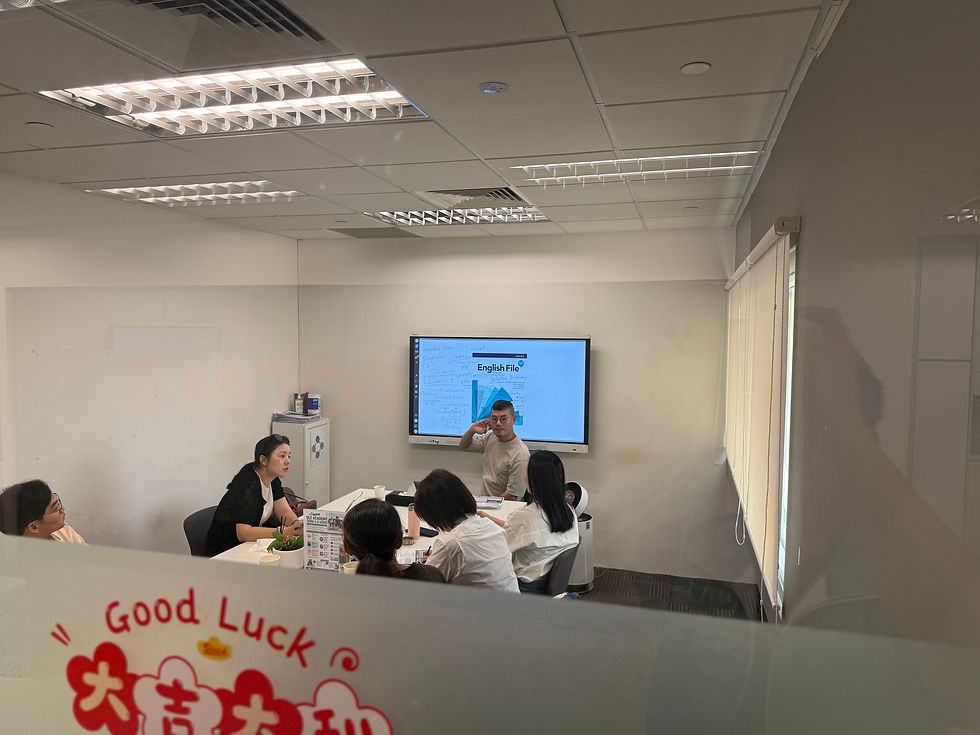
ULC Academy 提供成人小組英語課程。
平均每班約5名學生,最多10名。
課程內容根據學生等級安排,涵蓋:
日常英語口說
英語聽力
實用詞彙
英語文法
閱讀與寫作
情境對話
小組討論
互動練習
適合希望系統性提升英語能力,並增加實際口說練習機會的成年人。
3. 成人一對一英語課程
對於有特定學習目標的學生,ULC Academy 也提供一對一英語課程。
例如:
日常生活英語
職場英語溝通
商務英語
英語面試
發音改善
聽力強化
專業表達
具體課程內容和安排可根據學生的英語程度、教師時間及實際需求進行討論。
4. 多種課程時間選擇
ULC Academy 提供平日上午、部分下午、晚間及週末英語課程。
參考時間包括:
時段 | 參考時間 |
平日上午 | 週一至週四 10:00–12:00 |
平日下午 | 部分週一、週三時段 |
平日晚間 | 週一、週四 19:00–21:00 |
週末上午 | 週六、週日 10:00–12:00 |
週日下午 | 週日 15:00–17:00 |
實際開班等級、時間及名額以學校最新安排為準。
5. 成人英語課程參考價格
課程類型 | 參考價格 |
成人英語小組課 | S$30/小時 |
成人一對一英語課 | S$160/小時 |
以上為參考價格,實際收費可能依課程及購買方案有所不同,請以學校正式報價為準。
6. 免費英語測評及試聽
如果你不確定自己的英語程度,或不知道應該選擇哪一個課程等級,可以先參加免費英語程度評估。
ULC Academy 提供免費測評和試聽課程,幫助學生了解:
目前英語程度
適合的課程等級
課堂教學方式
口說及聽力能力
後續學習方向
ULC Academy 校區地址
111 Somerset Road, #12-22 Tripleone Somerset, Emerald Hill, Singapore, Singapore, 238164.
成人英語課程官網

歡迎聯絡學校了解最新課程安排,並預約免費英語測評及試聽。
十二、常見問題 FAQ
Q1:剛來新加坡,英語不好怎麼辦?
建議從最常用的生活情境開始,例如點餐、購物、問路和日常問答。同時可以透過英語程度評估了解自己的基礎,再選擇適合的初級英語課程。
Q2:在新加坡生活一定要會英語嗎?
新加坡是多語言社會,但英語在公共服務、商業、教育和跨文化溝通中使用廣泛。掌握實用英語可以幫助外國居民更加獨立地處理日常事務。
Q3:英語基礎很弱,可以直接學習生活英語嗎?
可以。對初學者而言,建議從簡單句型和常用詞彙開始,逐漸練習完整對話。課程難度應與實際英語程度相匹配。
Q4:生活英語和商務英語有什麼區別?
生活英語主要關注購物、交通、餐飲、醫療及社交等日常情境。商務英語則更關注會議、電子郵件、工作報告、客戶溝通和專業表達。
Q5:為什麼在新加坡生活多年,英語還是沒有明顯進步?
可能與日常使用英語的機會不足、缺少系統性練習、過度依賴熟悉的語言環境,以及缺乏教師回饋等因素有關。僅僅生活在英語環境中,並不一定能自動提升語言能力。
Q6:如何聽懂新加坡人的英語口音?
可以透過接觸真實的本地對話、熟悉常見 Singlish 表達、進行聽力練習,以及在不理解時主動要求對方重複或解釋,逐步改善。
Q7:成人學習英語應該選擇小組課還是一對一?
如果希望增加日常交流、與不同學生互動,並進行長期系統性學習,可以考慮小組課。如果需要針對特定問題進行集中訓練,可以考慮一對一課程。
Q8:新加坡成人英語課程一般多少錢?
不同學校和課程的收費有所不同。ULC Academy 的參考價格為小組課 S$30/小時,一對一課程 S$160/小時,實際價格以學校正式報價為準。
Q9:ULC Academy 提供初學者英語課程嗎?
ULC Academy 提供參考 CEFR 分級的成人英語課程,包括 A1 Beginner 和 A2 Elementary 等級。具體開班時間和名額需向學校確認。
Q10:ULC Academy 可以免費試聽嗎?
可以。ULC Academy 提供免費英語程度評估和試聽課程,幫助學生了解自己的英語程度及適合的課程。具體試聽時間需要提前預約。
結語:學會在新加坡生活,先從敢開口說英語開始
對於在新加坡生活的外國成年人而言,學習英語不一定要從複雜的文法或大量詞彙開始。
更實用的方法,是先掌握自己每天真正需要使用的表達。
從在餐廳點餐、在超市購物,到預約醫生、與房東溝通,再到與孩子的老師交流和參加職場討論,每一個真實情境都是練習英語的機會。
語言學習的目標,不只是知道一句英語是什麼意思,而是能夠在需要的時候,自然地把它說出來。
如果你目前英語基礎較弱,可以先從簡單的日常對話開始。
如果你已經具備一定英語程度,可以進一步練習更複雜的交流、聽力理解和觀點表達。
無論處於哪個階段,持續練習、積極交流,以及選擇適合自己的學習方式,都是重要的學習原則。
ULC Academy — Learn with Purpose. Speak with Confidence.
希望提升在新加坡生活和工作的英語溝通能力?
歡迎了解 ULC Academy 成人英語課程,預約免費英語程度評估與試聽。


Comments