Best English Courses in Singapore for Expats
Singapore is one of the most international cities in the world. With professionals and students coming from all over the globe, English has become the main language used for business, education, and daily communication. For many expats, having strong English skills is essential for adapting to life in Singapore.
However, many people discover that their English level may not fully match the communication demands of working or living in an international environment. Whether it is participating in meetings, communicating with colleagues, or simply making friends, improving English can make daily life significantly easier.
This is why many expats in Singapore choose to join structured English courses to build confidence and improve their communication skills.

Why Expats Often Want to Improve Their English
Even if someone has studied English in school, real-life communication can still be challenging. Speaking in meetings, expressing opinions clearly, and understanding different accents all require a higher level of confidence and fluency.
Common challenges that expats experience include:
• Difficulty expressing ideas clearly in English• Lack of confidence during meetings or presentations• Struggling with professional vocabulary• Feeling nervous when speaking with native speakers• Understanding different international accents
These challenges are very common, especially in international workplaces where communication needs to be clear and efficient.
Improving English skills not only helps with work but also makes social interactions and everyday life much more comfortable.
Types of English Courses Available in Singapore
Singapore offers a wide variety of English learning programmes designed for different goals and learning needs.
General English Courses
General English courses focus on improving overall language ability. These classes usually cover speaking, listening, reading, and writing skills.
Students practice daily conversations, pronunciation, and vocabulary that can be used in real-life situations. These courses are particularly useful for newcomers who want to feel more comfortable communicating in English.
Business English Courses
Business English programmes are designed for professionals who need to communicate confidently in workplace situations.
These courses typically focus on:
• Professional email writing• Business presentations• Meeting discussions• Negotiation language• Workplace communication skills
Professionals often choose Business English courses to improve confidence when interacting with international colleagues or clients.
IELTS Preparation Courses
Many international students in Singapore need IELTS scores for university admission or immigration purposes.
IELTS preparation courses focus on exam strategies and practice in the four main skills tested in the exam:
ListeningReadingWritingSpeaking
Structured preparation programmes can significantly improve test performance.
The Benefits of Structured English Learning
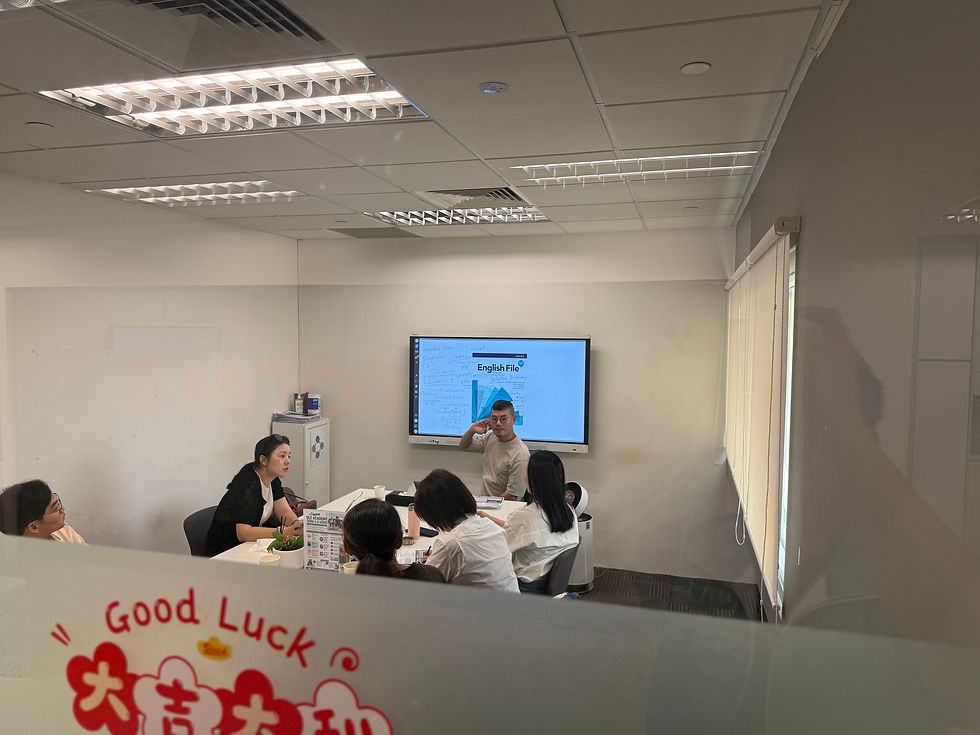
Some people try to improve their English through self-study. While this can help with vocabulary and grammar, many learners find that structured courses provide faster progress.
Structured learning offers several advantages.
Professional Guidance
Experienced teachers can identify learning gaps and provide targeted feedback. This helps learners focus on the areas that need the most improvement.
Regular Practice
Consistent speaking practice is one of the most important factors in improving fluency. Classroom environments allow students to practice conversations in a supportive setting.
Learning Structure
A well-designed curriculum provides a clear learning path. Instead of randomly studying different topics, students follow a structured programme that gradually builds their skills.
Confidence Building
Many learners hesitate to speak English because they are afraid of making mistakes. Structured classes provide a safe environment where students can practice and gain confidence.
How to Choose the Right English Course in Singapore
With many English schools available, choosing the right programme can make a big difference in learning progress.
When selecting an English course, it is helpful to consider several factors.
Teacher Experience
Experienced teachers understand common learning difficulties and know how to guide students effectively.
Class Size
Smaller classes allow more opportunities for speaking practice and individual feedback.
Course Structure
A structured curriculum helps learners progress step by step and ensures balanced development across all language skills.
Learning Outcomes
Good English programmes focus not only on theory but also on real communication skills that can be applied in daily life and professional environments.
Improving English Takes Time and Consistency
Language learning is a gradual process. While there is no instant solution, many learners begin to notice improvements within a few months of consistent practice.
The key factors that influence progress include:
• Study consistency• Learning environment• Practice opportunities• Quality of instruction
Combining regular practice with structured learning can significantly accelerate improvement.
Conclusion
Living in Singapore provides a great opportunity to improve English skills. With its multicultural environment and international workforce, English is used in almost every aspect of daily life.
For expats, improving English communication can open new opportunities both professionally and socially. With the right learning environment and guidance, learners can gain confidence and communicate more effectively.
Understanding your current English level is often the first step in building an effective learning plan.
At United Language Centre, we help expats, professionals, and international students improve their English through structured programmes designed for real-life communication.
If you would like to understand your current English level, you can take a Free English Proficiency Assessment and receive personalised feedback from our teachers.
Start your English learning journey today!


Comments